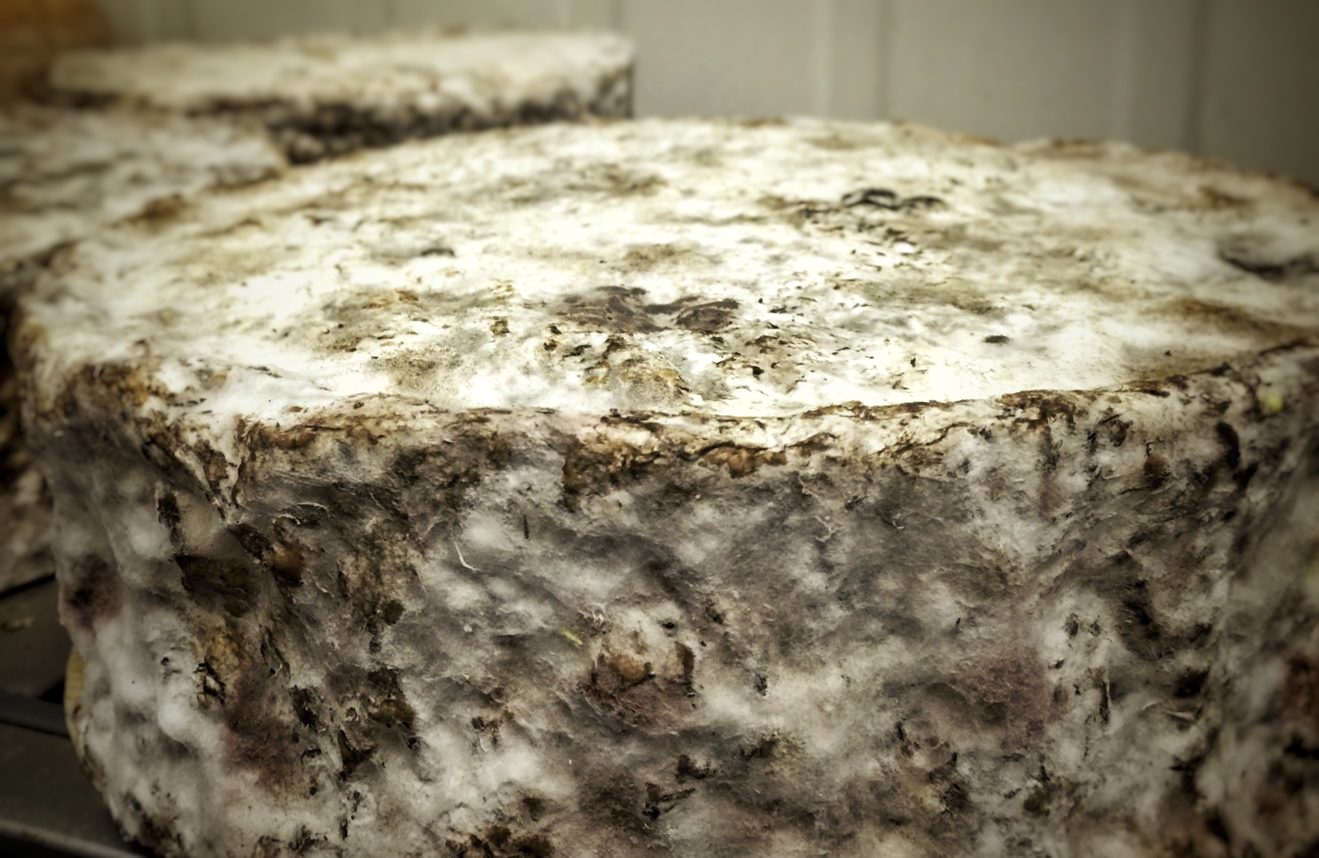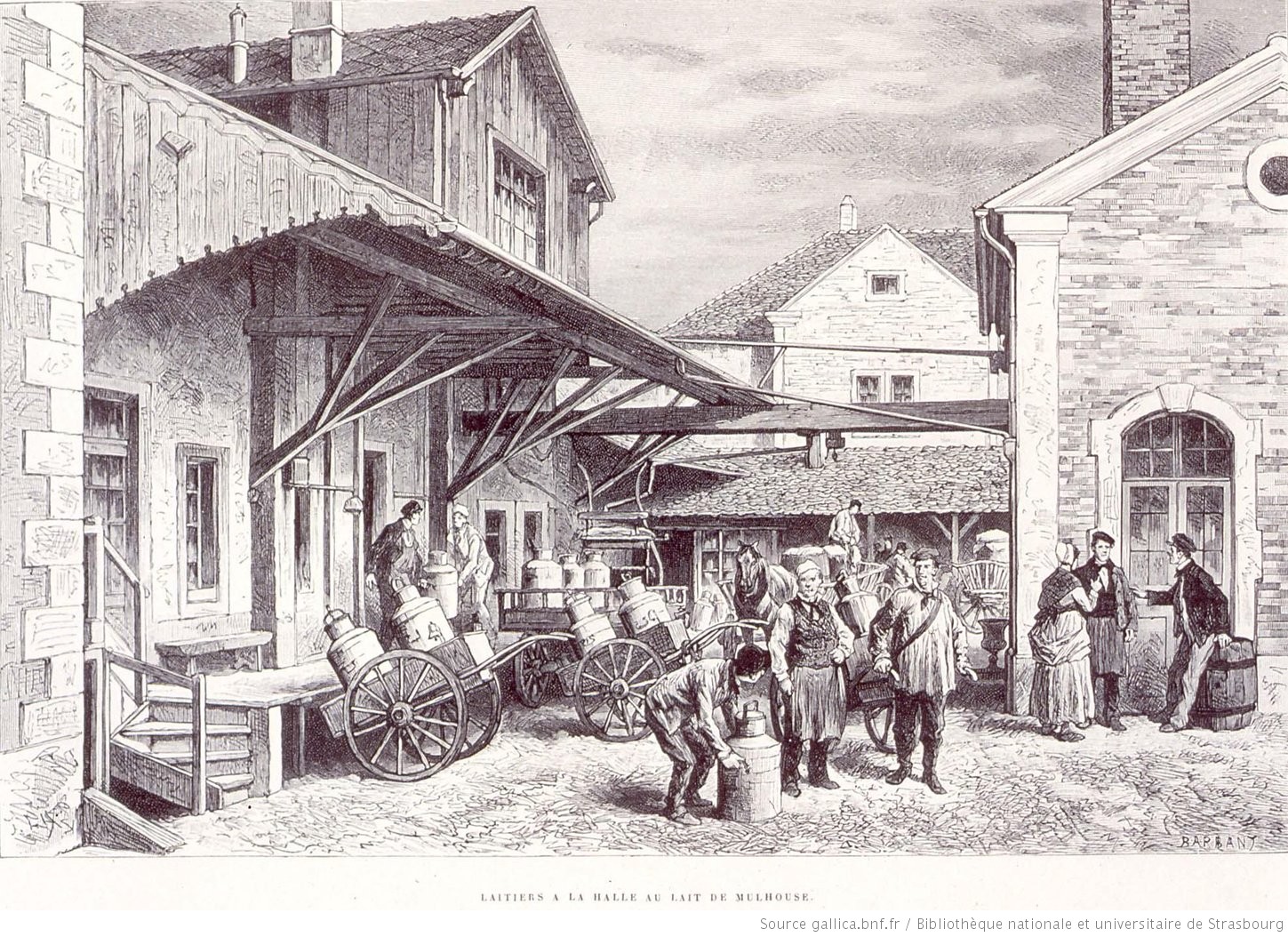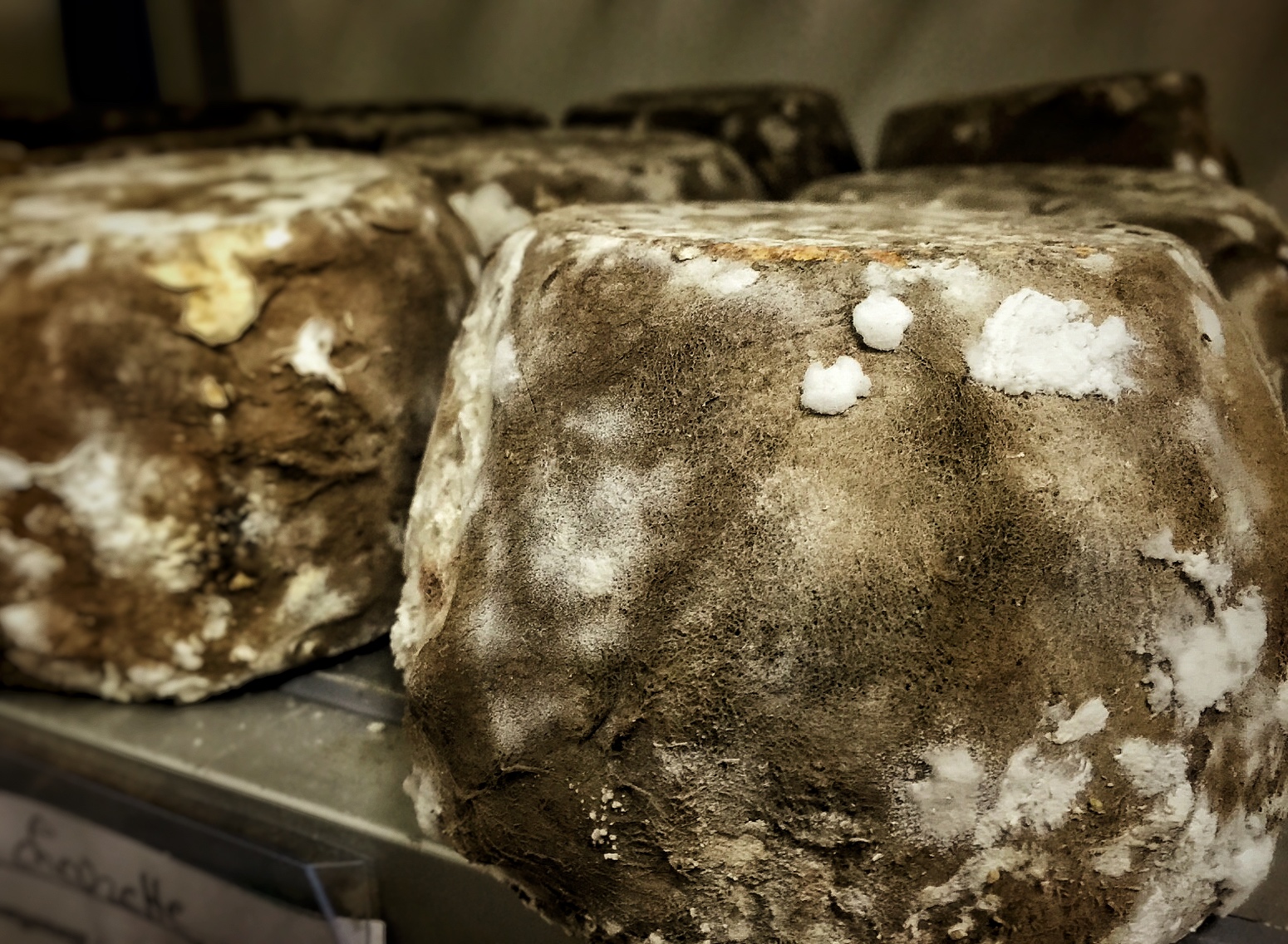
A number of studies have shown that the consumption of raw milk cheeses is a question of ‘good health’ especially for important digestive flora.
The more varied the flora is, the less likely it is for a harmful organism to implant itself. To be in ‘good health’ a bit of everything is needed. The ingestion of macrobiotic flora by eating raw milk cheese helps to maintain the varied flora.
The future of raw milk cheeses depends on the vigilance of the study and how it is presented. Between the respect for ancestral traditions and the fear of the responsibility for public health, raw milk cheese continues to be the subject of a passionate debate. On evaluating the risks of raw milk cheeses, if a ban is imposed, it would probably not be based just on scientific criteria.
Concerning the AOC cheeses, raw milk represents ¾ of the volume made. Raw milk is even obligatory in the specifications of many AOC cheeses, these being: Roquefort, Banon, Chevrotin, Crottin de Chavignol, Pélardo, Pouligny-Saint-Pierre, Rocamadour, Sainte-Maure-de-Touraine, Selles-sur-Cher, Valençay, Abondance, Beaufort, Bleu de Gex, Brie de Meaux, Brie de Melun, Camembert de Normandie, Comté, Laguiole, Mont d'Or, Morbier, Reblochon, Salers et Tomme des Bauges.
Otherwise, ram milk is used by only a small number of producers for the following AOC cheeses: * Ossau-Iraty 12% of the total production is made with raw milk. * Chabichou du Poitou 17% * Picodon 35% * Bleu d'Auvergne 2% * Bleu de Sassenage 21% * Cantal 23% * Chaource 13% * Epoisses 12% * Fourme d'Ambert 2% * Fourme de Montbrison 4% * Langres 6% * Livarot 21% * Maroilles 7% * Munster 19% * Neufchâtel 95% * Pont-l'Evêque 13% * Saint-Nectaire 46%
Bleu des Causses uses no raw milk at all, and Brocciu is made with 100% raw milk, even in 2008. The Maison ANDROUET was a pioneer in 1909 by assembling and inventorying certain cheeses from different areas of France. By sharing our passion with amateurs and assuring an opening on the market for the small artisanal productions, the Maison ANDROUET contributes to the conservation of the legacy of the cheese maker.
|