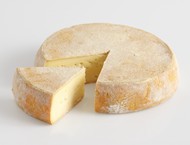
L'abbaye de Tamié fut fondée en 1131. Les moines Trappistes y fabriquent du fromage depuis sa création. Au début, ils fabriquaient plutôt un fromage à pâte pressée cuite ressemblant a du gruyère, qui était plus facile à conserver. Au fil des siècles, la production s'est rapprochée de celle des autres abbayes et le Tamié est maintenant une pâte pressée non cuite. Ce fromage de Savoie est une fabrication exclusivement artisanale. Sa pâte est assez douce, de la famille du reblochon.
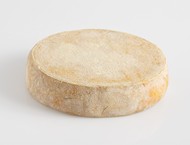
Le Tamié se caractérise par la belle couleur safran de sa croûte qui, en fin d'affinage, se couvre d'un léger duvet blanc. Sa pâte beige est fine, tendre et moelleuse. Elle a une ressemblance avec une pâte molle. La saveur assez prononcée vient de la qualité des pâturages ou paissent les troupeaux. Ce Fromage au lait de vache, a la forme d'un disque de 18 cm de diamètre et de 4 à 5 cm d'épaisseur, d'un poids de 1,2 kg environ.
Emballé dans un papier bleu azur (frappé d'une croix de Malte blanche), le Tamié est un fromage à l'image des moines, d'une saveur modérée. Il rappelle le Reblochon, mais sa pâte est beaucoup moins souple. Son goût de lait est plutôt prononcé et il n'est pas rare qu'il dégage une odeur d'étable. Le Tamié ne coule pas, il est idéal pour les pique-nique.
Choix à l'aspect du Tamié : croûte lisse et claire;
Choix à l'odeur du Tamié : pas d'odeur spéciale;
Choix au toucher du Tamié : pâte tendre et élastique;
Choix au goût du Tamié : saveur lactique assez prononcée;
Lien: www.abbaye-tamie.com
 Vins associés
 Fromages associés
 PT
PT IT
IT DE
DE NL
NL SV
SV AR
AR RU
RU HI
HI ZH
ZH JA
JA


 Dégustation