Article

When you attend a cheese workshop, you quickly notice that every detail has been carefully considered to showcase the cheeses at their best.
The knives are not chosen at random.
The boards are not merely decorative.
The way cheeses are presented, cut, and served directly influences the quality of the tasting experience.
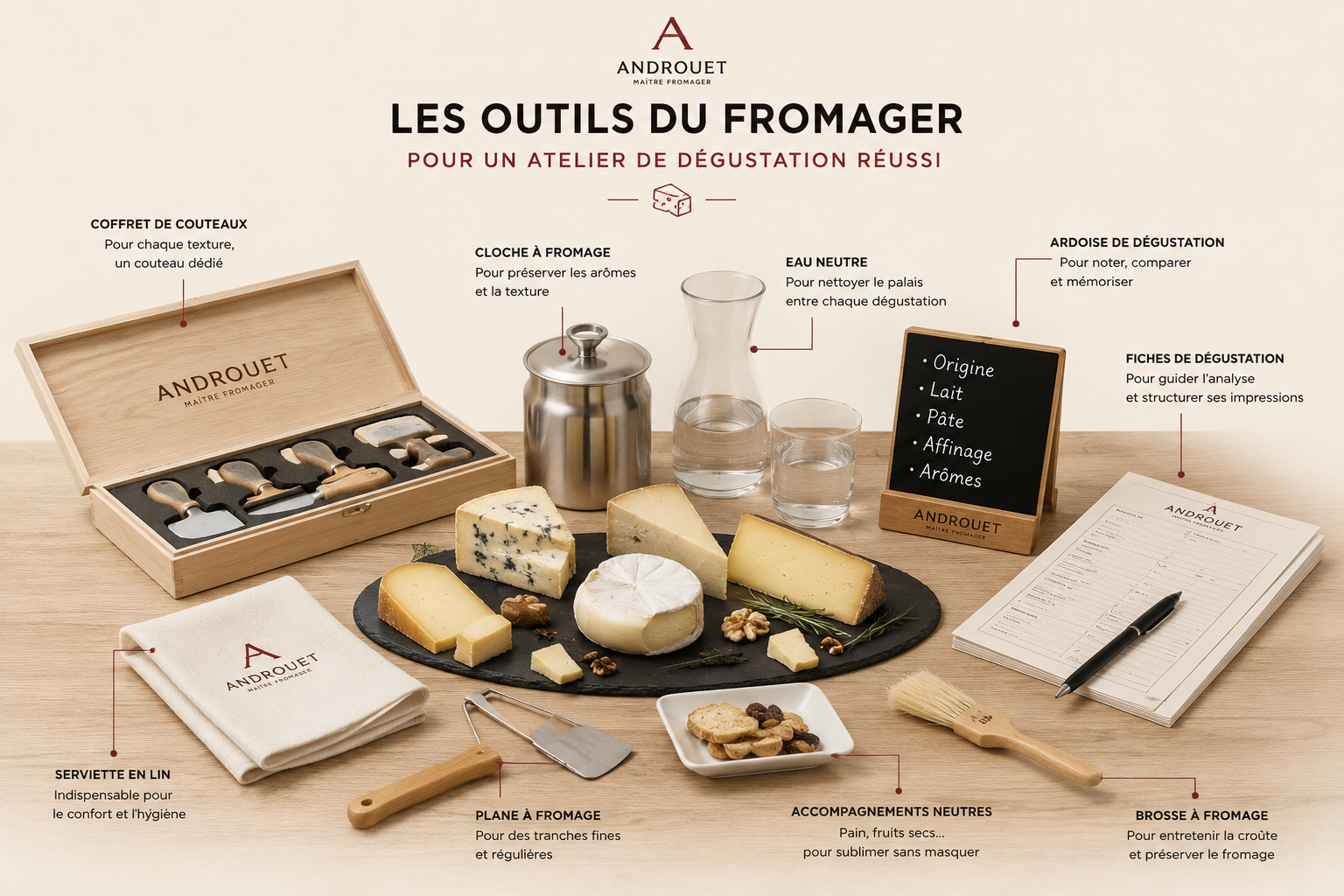
Contrary to what many people imagine, you do not need sophisticated equipment to enjoy cheese properly. Master Cheesemongers rely above all on simple, well-maintained tools suited to the texture and character of each cheese family.
Since 1909, the House of Androuet has passed on these techniques and good practices, allowing everyone to recreate a professional-quality tasting at home.
The first “tool” of a cheese workshop is ultimately the table itself.
The cheeses are arranged so that they can be observed easily from every angle.
Each participant should be able to see:
This presentation encourages conversation and allows the Master Cheesemonger to point out the details that define each cheese.
A beautiful tasting always begins with a thoughtful presentation.
“Whenever possible, we present the cheeses whole. Before it is even cut, a cheese already has a great deal to tell us.”
— Alexandre, Androuet Master Cheesemonger
Wood remains the preferred material of many professionals.
A high-quality wooden board offers several advantages:
Beech, oak, and maple are among the most commonly used woods.
Slate or ceramic may also be chosen for a more contemporary presentation.
The essential requirement is a perfectly clean surface, free from any odor that could interfere with the tasting.
There is no single universal cheese knife.
Master Cheesemongers use different types according to the texture of each cheese.
This is particularly well suited to soft cheeses.
Its narrow blade reduces contact with the paste and helps produce a cleaner cut.
The openings in the blade reduce the surface area touching the cheese.
It is especially useful for very creamy cheeses that would otherwise stick to the knife.
This substantial knife is used for large pressed cheeses, such as wheels of Comté or Beaufort.
Its two handles provide greater control and allow for a more regular, precise cut.
A cheese wire is extremely useful for very soft or melting cheeses.
It passes cleanly through the paste without crushing it, creating a neat and even cut.
Cutting cheese is not simply a matter of producing smaller pieces.
Every portion should respect the balance of the cheese.
The aim is for each person to enjoy:
A poor cut can completely change the way a cheese is perceived.
This is why Master Cheesemongers devote so much care to the gesture.
During a workshop, each participant usually has an individual plate.
This allows them to:
White plates are often preferred.
Their neutrality naturally highlights the colors of both the paste and the rind.
Depending on the workshop theme, different glasses may be provided.
They allow participants to explore pairings with:
Each glass is selected to encourage the best possible expression of aroma.
The purpose remains the same: to understand how flavors interact, complement one another, and sometimes create surprising contrasts.
Contrary to popular belief, bread should never overpower the cheese.
During our workshops, we generally choose simple breads such as:
Bread should act mainly as a neutral support for the tasting.
Highly aromatic or heavily spiced breads may mask the subtleties of the cheese.
“The best bread accompanies the cheese without trying to steal the spotlight.”
— Claire, Androuet Master Cheesemonger
Water is perhaps the most underestimated tasting tool.
Between cheeses, it refreshes the palate and makes aromatic differences easier to perceive.
It is generally preferable to very sweet or strongly flavored drinks, which may interfere with the tasting.
During certain workshops, participants are encouraged to take notes.
Tasting sheets create a lasting record of the experience.
They may include:
Over time, these notes become a genuine tasting memory.
Some of the most important equipment is not present in the tasting room at all.
Before reaching the table, many cheeses have spent weeks or even months in aging cellars.
These cellars are designed to control:
Aging shelves, brushes, rind-washing equipment, and hygrometers are among the everyday tools used by affineurs.
Although participants do not handle them during a workshop, these tools play a fundamental role in the quality and character of every cheese tasted.
No knife, board, or accessory can ever replace the five senses.
The true tools of the cheese taster are:
Androuet workshops teach participants how to use these natural instruments more effectively.
They are available to everyone.
The only requirement is to learn how to pay attention to them.
In the Androuet cellars, a Master Cheesemonger may change knives several times during a single cutting session.
Not for convenience.
A very creamy cheese, a blue-veined cheese, and a wheel of Comté weighing several dozen kilograms cannot be handled in the same way.
The correct tool protects the texture, creates a clean cut, and above all ensures that each customer receives a perfectly balanced portion.
This attention to detail may appear discreet.
Yet it is one of the gestures that distinguishes professional expertise.
Owning beautiful knives or an impressive cheese board is not enough to guarantee a successful tasting.
What truly matters is how you observe the cheese, how you cut it, how you serve it, and how you share it.
The equipment exists only to support the experience.
For more than 115 years, Androuet Master Cheesemongers have used these tools with a single purpose: to respect the cheese and reveal its full personality.
Because behind every successful tasting there is, of course, an excellent cheese—but also precise gestures, suitable tools, and constant attention to detail.
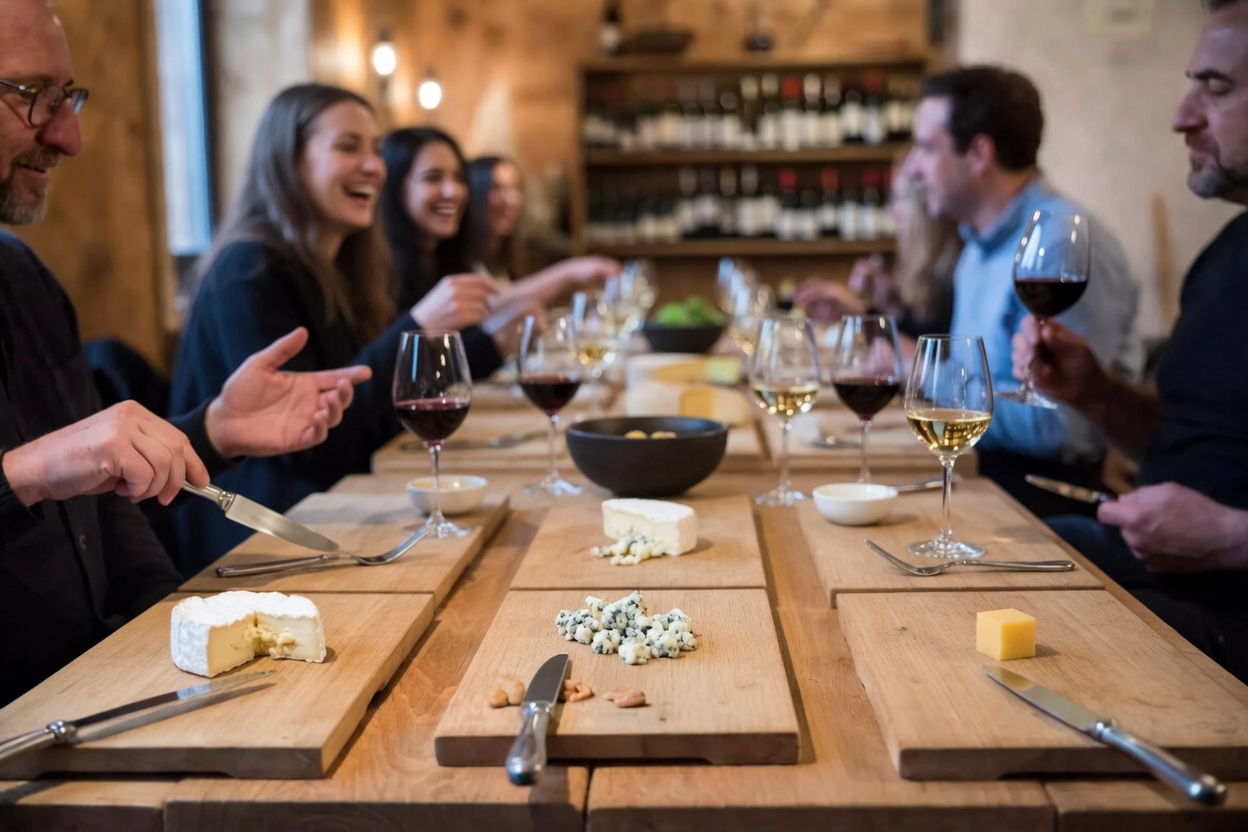
“Cheese discovery” workshop in Paris
Come and learn the subtle art of cheese and its pairings with our cheesemonger and affineur—an expert in the science of cheese.
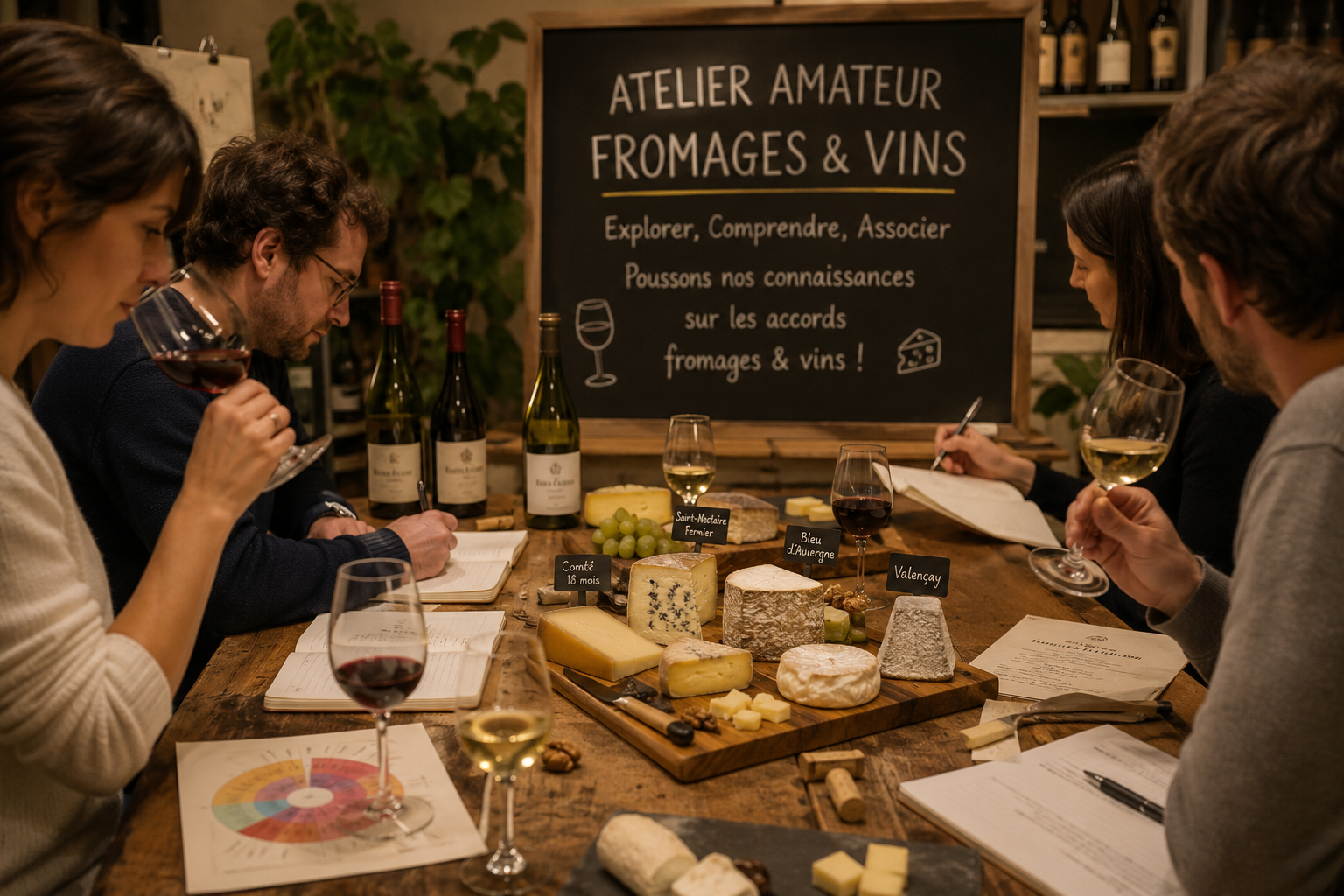
“Cheese enthusiast” workshop in Paris
Deepen your knowledge with this workshop on cheese and wine pairings.
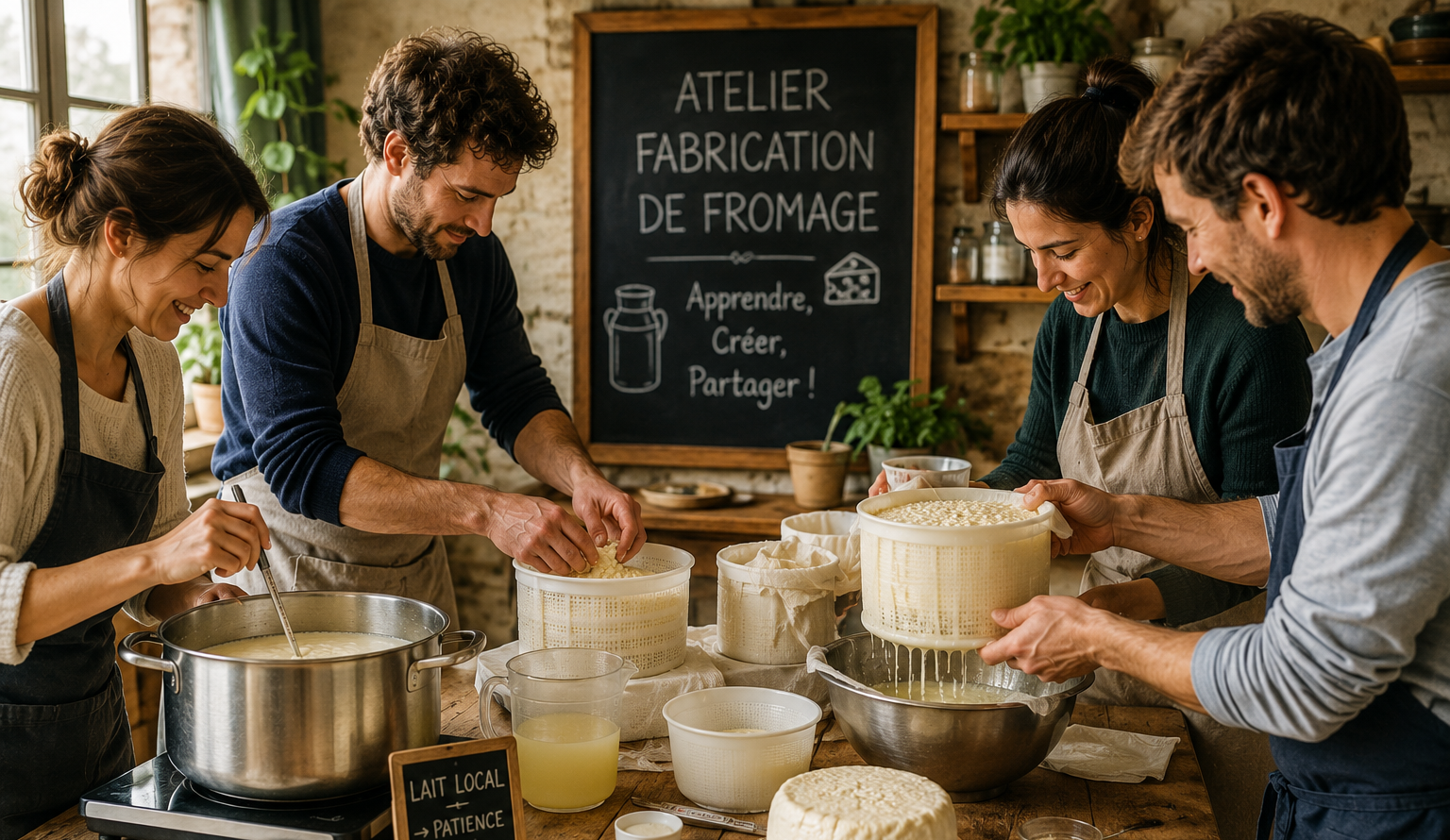
Cheese-making workshop in Paris
Learn how to make 3 cheeses.
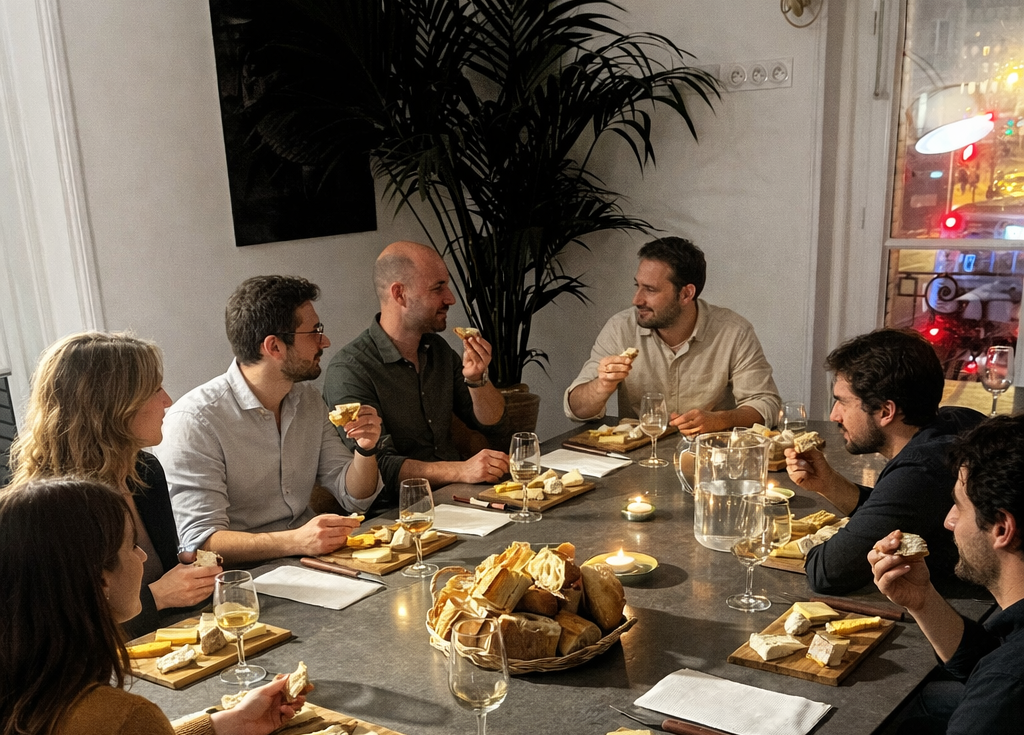
The “Secrets of Cheese” workshop in Paris
Learn, taste, and have fun. Come and discover this introduction to the art of cheese tasting. Learn to put your sensory impressions into words—all in a fun and cheerful atmosphere!
An Androuet exclusive.
Explore our guide to know everything about cheese from A to Z.